


At the Anglican Church of Kenya in Maseno, Kisumu County, caregiver empowerment is expanding via practical, community based confidence, and develop long-term resilience. By engaging in Savings Group Ministries and Common Interest Groups, caregivers come together around shared economic objectives, pool resources, learn new skills, and launch income-generating activities that reduce dependence on external aid and strengthen household stability. Two groups demonstrate this transformation: Shiners Bakery Group and Favor Self-Help Group. One thrives in baking, the other in poultry, but both are built on teamwork, faith, local ownership, and a common aim to improve the lives of children and families.
Baking Hope: The Shiners Bakery Group
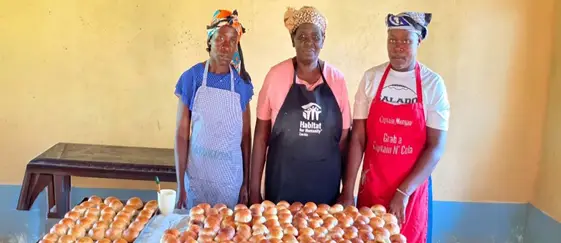
Shiners Bakery Group turns basic ingredients like flour and charcoal, along with determination, into a growing source of income. The group brings together mothers and grandmothers, many of whom are responsible for vulnerable children. What began as a small income activity has become a symbol of dignity, mentorship, and independence. Central to their story is Ann, a caregiver and widow who, after her husband’s passing, took on the challenge of supporting her family alone. Joining the bakery provided her with more than income; it gave her a renewed sense of purpose. Today, she trains and motivates other women to knead dough, manage orders, oversee the oven, and believe in their own resilience.
Growing Opportunity: The Favor Self-Help Group
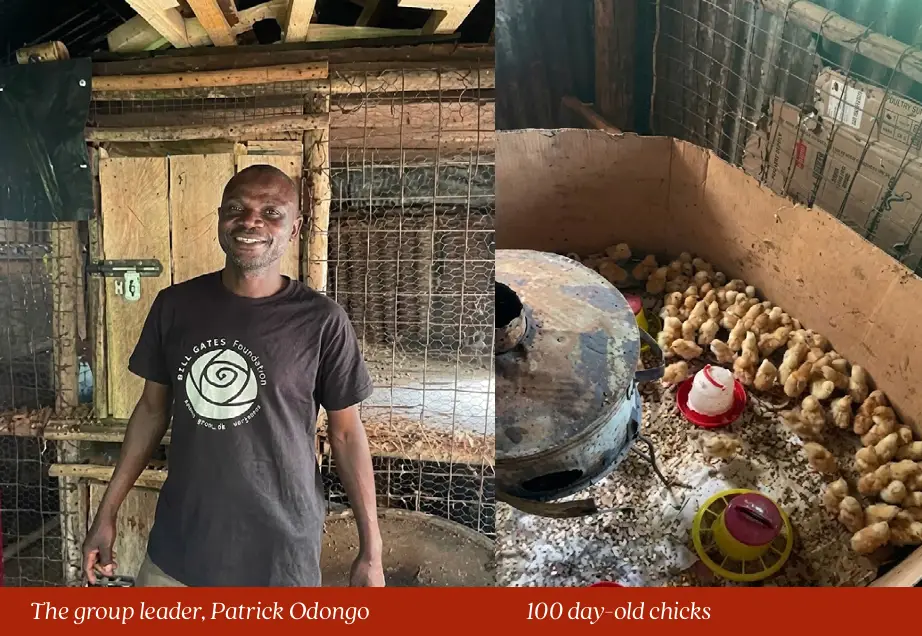
The Favor Self-Help Group is opening new opportunities through poultry farming. Originally formed by 23 members who shared a common goal of boosting their household incomes through a sustainable activity, the group decided to pursue poultry farming after discussion and planning. They collectively raised KES11,500, roughly USD89, to buy 100 one-day-old chicks, feed, vaccines, and other essentials. To enhance their knowledge, they partnered with Uzima Chickens for hands-on training in poultry management, feeding, disease prevention, and marketing. This partnership was enabled by the initiative of group leader Patrick Odongo, whose leadership facilitated access to vital technical support.
The poultry project is currently based at a caregiver’s home, where she voluntarily provides her poultry structure and cares for the birds on behalf of the group. This has reduced start-up expenses and demonstrated the group’s strong sense of ownership and responsibility. They plan to sell the chickens at about three months of age. Income from the first sales will be reinvested to purchase an additional 100 chicks. Through this revolving approach, the group aims to become a self-sufficient poultry business that regularly generates income for its members.
One Vision, Two Pathways
Though the initiatives differ, both demonstrate that trained, organized enhance families. Shiners Bakery Group leverages skills, mentorship, and market access to transform simple products into dignity and income. Meanwhile, Favor Self Help Group illustrates how local savings, training, and shared responsibility can foster a promising community enterprise. Both reflect the Anglican Church of Kenya Maseno emphasis on caregiver empowerment as part of child development. When caregivers earn income, children benefit from stable households, improved care, protection, and hope.
More Blogs
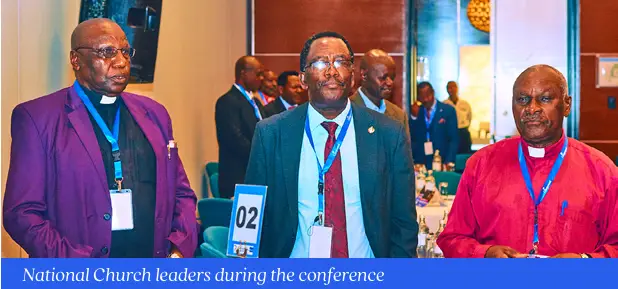
The 2026 National Church Leaders Conference brought together church leaders, Compassion International Kenya leadership, and accountability partners for a day of reflection, learning, and renewed commitment to strengthening ministry to children, youth, and families. Held under the theme “Influencing Positive Change Through Collective Action,” and guided by Genesis 41:38, the conference created space for church leaders to reflect on their shared calling to lead with wisdom, integrity, and the Spirit of God.
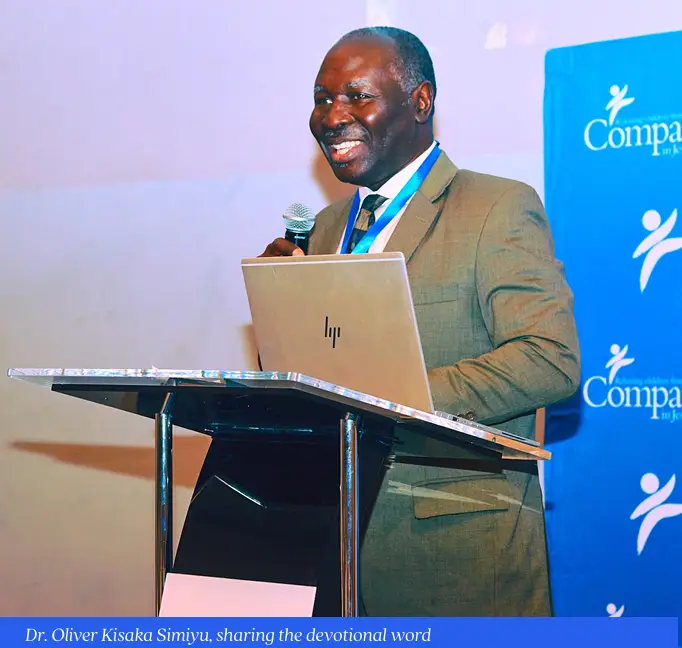
The conference was attended by 47 National Church Leaders, representing 497 churches in partnership with Compassion International. The gathering highlighted the power of the local church as a trusted, community-rooted institution that continues to play a central role in nurturing, protecting, discipling, and empowering children and youth. Dr. Oliver Kisaka delivered the devotional message and encouraged leaders, drawing on Acts 11:19–30. He reminded them that a church transformed by the Word of God becomes united, generous, and mission-driven, moving beyond self-focus to impact others through faith and compassion

Following the presentations, church leaders took part in question-and answer and plenary sessions, leading to the conference participants’ key resolutions:
- Conduct comprehensive compliance audits in governance, employment, child protection, data protection, property, financial management, and procurement to support the resolutions that follow.
- Strengthen governance and accountability by reviewing church registration status, clarifying leadership structures,formalizing board meetings, improving reporting lines, and safeguarding church property.
- Enhance tax compliance by reviewing tax-exemption status, filing annual returns, remitting statutory deductions, tracking surplus funds, and maintaining audit-ready records.
- Improve financial management and internal controls through stronger budgeting, procurement, reporting, approval processes, monthly financial reviews, and annual audits as part of the overall compliance response.
- Prioritize child protection and safeguarding by developing or strengthening relevant policies, establishing incident-reporting procedures, and enforcing codes of conduct to reinforce safe church practice.
- Improve data protection by establishing clear procedures, registering or renewing registration with the Office of the Data Protection Commissioner, securing sensitive information, and enforcing access controls to strengthen responsible information handling.
- Build a strong culture of compliance through regular awareness programs, leadership training, quarterly compliance reviews, annual evaluations, expert support, and independent audits to sustain these measures.
- Plan to align church operations with the African Council for Accreditation and Accountability’s standards and accreditation pathway through assessment, advisory support, and continuous improvement to ensure ongoing progress.
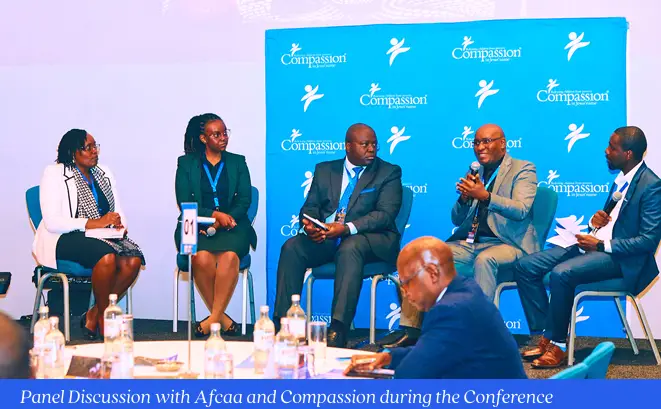
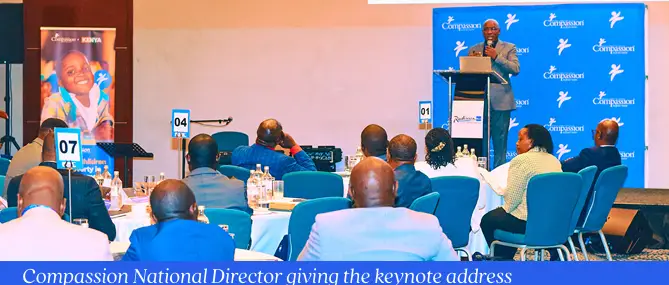
Beyond governance, the conference called churches to expand their commitment to children and youth programming. In his closing remarks, Newton Midamba, Senior Manager of Partnership, encouraged leaders to carry the day’s commitments back to their churches and denominational structures. The conference closed with prayers led by Bishop Shadrack Oloo, marking the end of a significant day of reflection, accountability, and renewed partnership.